
Why Negative Ion TR90 Glasses With Anti Blue and Photochromic Lenses Are Ideal for Daily Wear


Why Negative Ion TR90 Glasses With Anti Blue and Photochromic Lenses Are Ideal for Daily Wear
Modern eyewear is becoming more multifunctional. Customers increasingly want one pair of glasses that feels lightweight, works comfortably indoors, supports digital-device use, and can also adapt when moving into brighter outdoor environments.
Negative Ion TR90 Glasses combine lightweight TR90 construction with additional frame features, while Anti Blue Photochromic Glasses add lens functions designed for both indoor and outdoor daily use. This makes the combination especially attractive for customers looking for practical all-day eyewear.
Ionvanta Glasses feature a fashionable and classic TR90 frame, a specified negative ion release range of 1200–2000 ions/cm³, metal decorative pieces on acetate temple ends, strong 3+2 hinges, resin anti-blue lenses, and lenses designed to darken when exposed to outdoor light and ultraviolet radiation.
What Are Negative Ion TR90 Glasses
Negative Ion TR90 Glasses combine lightweight TR90 frame construction with a frame feature designed to release negative ions under specified test conditions. TR90 itself is widely used in modern optical eyewear because it supports lightweight and flexible frame designs.
For eyewear buyers, the negative ion feature can serve as a measurable product specification that differentiates the frame from ordinary TR90 optical glasses. It should be presented as a frame characteristic rather than as a medical treatment or therapeutic claim.
Ionvanta Glasses combine this frame specification with practical lens functions and classic styling, creating a more differentiated product for modern optical collections.
Understanding the 1200–2000 Negative Ion Release Specification
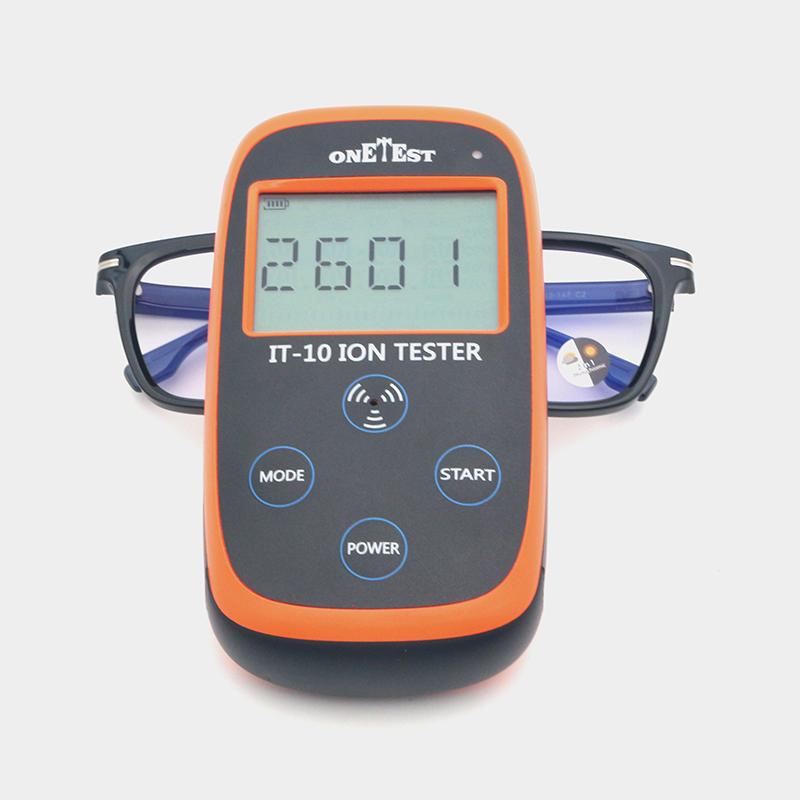
Ionvanta Glasses have a stated frame negative ion release range of approximately 1200–2000 ions/cm³ under applicable testing conditions. This gives buyers a clear technical specification that can be presented alongside the frame material and lens features.
Negative ion readings can vary depending on the testing equipment, environmental conditions, test position, and measurement method. For product presentation, actual test images or measured data can help buyers better understand the specification.
The negative ion feature is best communicated as a measurable frame characteristic. Any health-related claim should only be made when supported by appropriate evidence and permitted by applicable regulations.
Why TR90 Optical Frames Are Comfortable for Everyday Use
TR90 Optical Frames are widely used because the material supports lightweight and flexible eyewear construction. This can make the glasses easier to wear throughout a full working day.
Compared with heavier frame materials, TR90 can help reduce the feeling of pressure on the nose bridge and ears. This is especially useful for customers who wear prescription glasses for work, study, commuting, and travel.
Ionvanta Glasses combine TR90 construction with a fashionable classic appearance, giving the frame a balance of lightweight comfort and everyday styling.
Why Classic TR90 Glasses Remain Easy to Style
Classic frame design remains popular because it can work with different clothing styles, age groups, and daily situations. A balanced optical frame can move naturally between professional and casual environments.
TR90 gives classic eyewear a lighter and more modern wearing experience. This makes it suitable for customers who want familiar styling without the weight of some traditional frame materials.
Ionvanta Glasses combine classic TR90 styling with functional lenses and decorative temple details, giving the product broader everyday appeal.
How Acetate Temple Ends Add Visual Depth
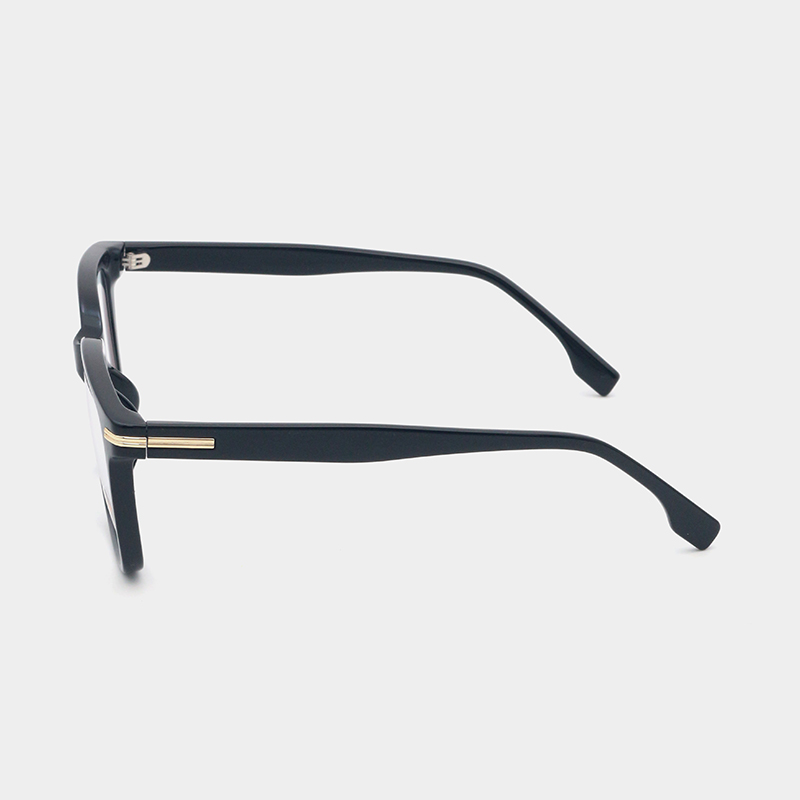
The side profile of eyewear plays an important role in the overall appearance of the frame. Combining different materials can create more depth and give the glasses a more refined finish.
Acetate temple ends can provide richer color, texture, and surface depth than a simple one-material temple design. This helps the frame look more layered and premium from the side.
Ionvanta Glasses use acetate temple ends together with metal decorative pieces, creating a visual contrast that makes the frame more distinctive.
Why Metal Decorative Pieces Make Temple Design More Refined
Metal decorative elements can give optical frames a more detailed and premium appearance. Even a small metal accent can create contrast and improve the visual finish of the temple area.
When metal decoration is combined with acetate temple ends, the result is a layered material effect that balances fashion and classic styling. This kind of detail can help differentiate the frame without making the design too complicated.
Ionvanta Glasses use a metal decorative piece on the acetate temple end, adding a recognizable side detail to the overall design.
Why Strong 3+2 Hinges Matter in Everyday Eyewear
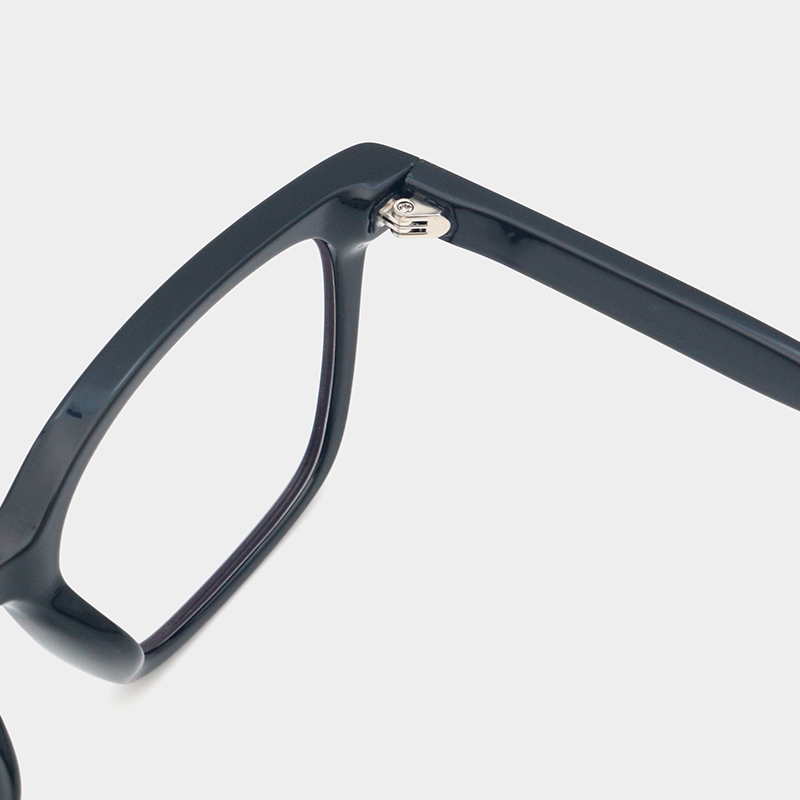
The hinge is one of the most frequently moving parts of an optical frame. Every time the glasses are opened or folded, the hinge helps control the connection between the front and temples.
A 3+2 hinge structure uses multiple interlocking hinge barrels to create a firm mechanical connection. This type of construction gives the hinge a more substantial structure for regular everyday opening and closing.
Ionvanta Glasses are equipped with strong 3+2 hinges, supporting the practical construction of the frame while maintaining a clean classic appearance.
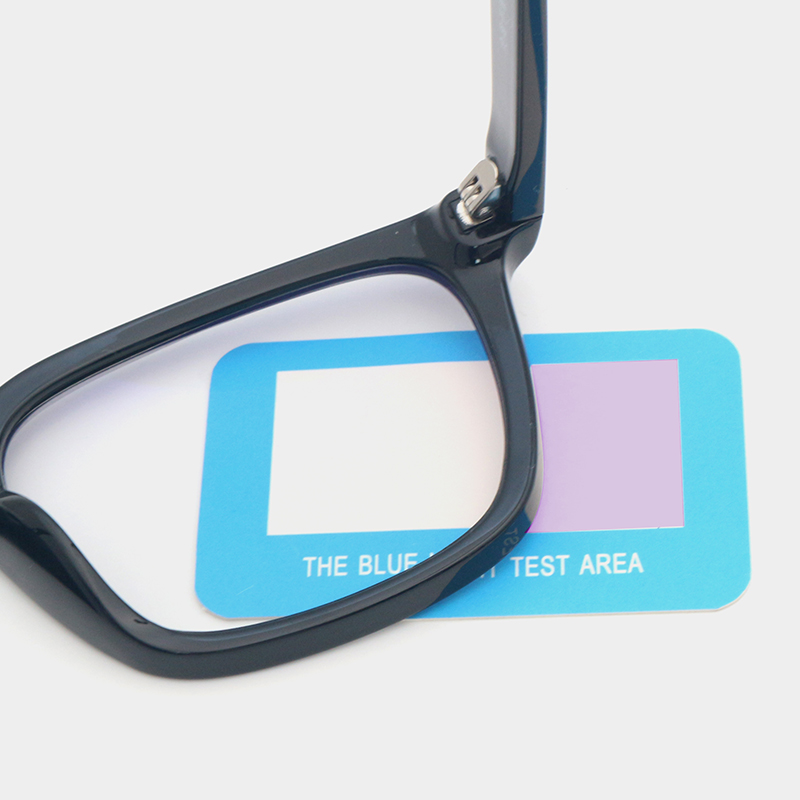
What Are Resin Anti Blue Lenses
Resin anti-blue lenses are designed to filter a portion of blue light within a specified wavelength range. They are commonly used in optical eyewear for people who spend significant time around computers, smartphones, tablets, and other digital displays.
The amount of filtration and the visual appearance of anti-blue lenses can vary depending on the lens material and technology. Some lenses remain relatively clear, while others may show a slight reflection or tint.
Ionvanta Glasses use resin anti-blue lenses, adding a practical lens function while maintaining an everyday optical appearance.
How Photochromic Lenses Change Color Outdoors
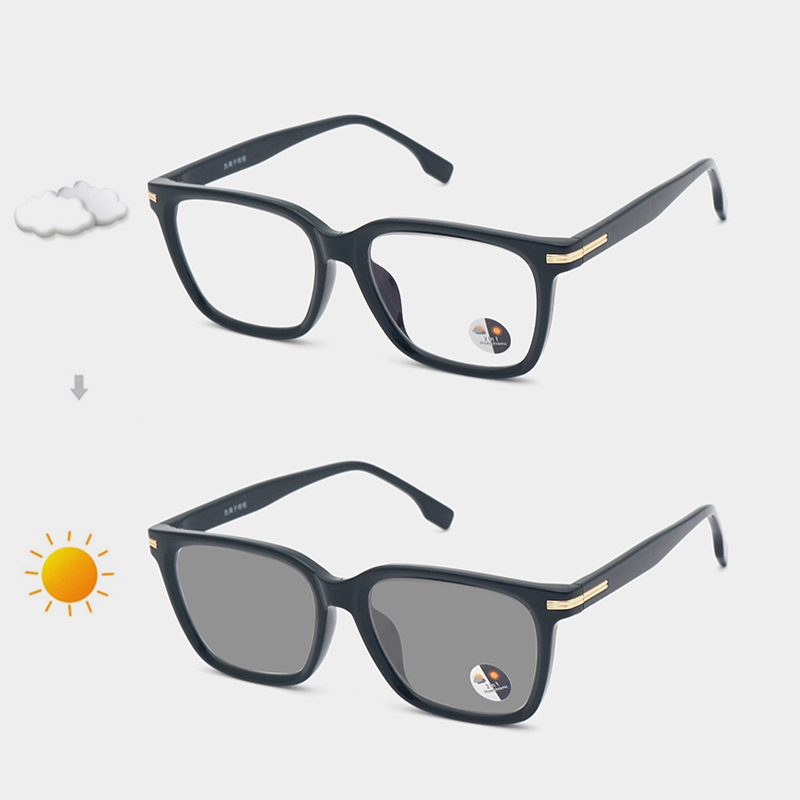
Photochromic lenses are designed to change their tint in response to ultraviolet exposure. Indoors, they can remain relatively clear, while outdoors they gradually darken as UV exposure increases.
This automatic lens transition can reduce the need to switch constantly between ordinary optical glasses and separate tinted eyewear during everyday movement between indoor and outdoor environments.
Ionvanta Glasses combine anti-blue functionality with photochromic lens technology, creating a more versatile lens option for customers who regularly move between indoor and outdoor spaces.
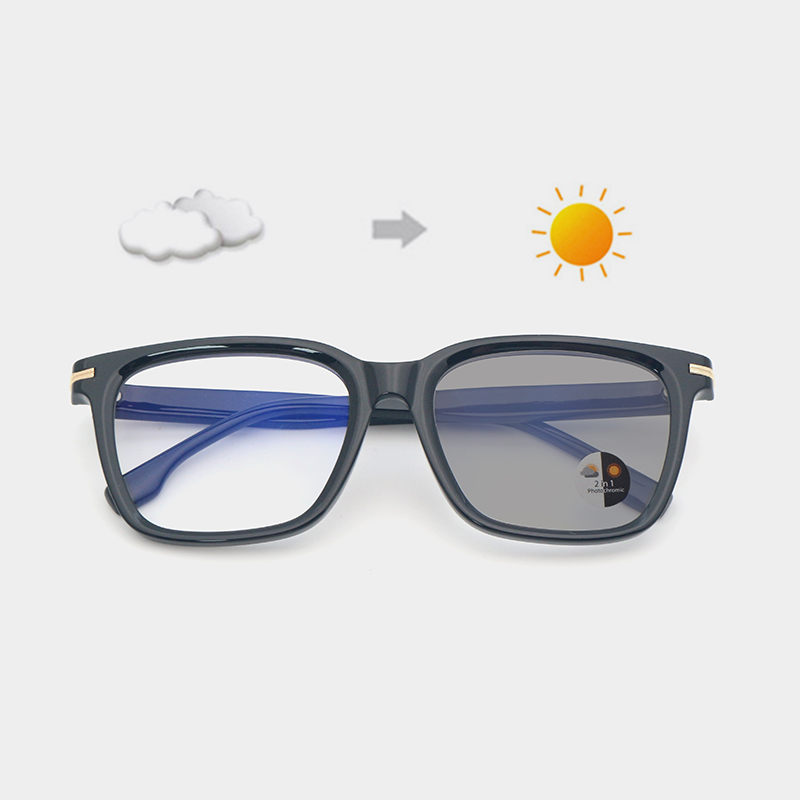
Indoor Clear and Outdoor Tinted Lens Performance
One of the main advantages of photochromic eyewear is its ability to adapt to changing environments. Indoors, the lenses are designed to return toward a clearer state, making them suitable for normal optical use.
When exposed to stronger outdoor UV radiation, the lenses darken and create a more tinted appearance. The speed and degree of color change can vary depending on temperature, UV intensity, lens material, and other environmental conditions.
This indoor-to-outdoor transition makes Ionvanta Glasses a practical option for customers who want one pair of optical glasses for changing daily environments.
Why Anti Blue and Photochromic Functions Work Well Together
Anti-blue and photochromic lens functions are designed for different usage conditions, which makes them complementary in everyday eyewear. Anti-blue filtering is mainly relevant to specified blue-light wavelengths, while photochromic technology responds to UV exposure outdoors.
For users who move frequently between computer work, indoor environments, commuting, and outdoor activities, combining the two functions can create a more versatile pair of optical glasses.
Ionvanta Glasses bring both lens functions together in one frame, helping reduce the need for multiple pairs during normal daily routines.
Ionvanta Glasses Combine Multiple Everyday Eyewear Features
Modern optical eyewear becomes more competitive when material, structure, styling, and lens functions work together. Instead of relying on only one selling point, a multifunctional frame can address several everyday wearing needs.
Ionvanta Glasses combine a classic TR90 frame, a stated 1200–2000 ions/cm³ negative ion release range, acetate temple ends with metal decoration, strong 3+2 hinges, resin anti-blue lenses, and photochromic color-changing functionality.
This makes Ionvanta Glasses suitable for optical retailers, distributors, private-label brands, and customers looking for differentiated TR90 eyewear with multiple functional selling points.
Who Should Choose Ionvanta Glasses
Ionvanta Glasses are suitable for customers who want one pair of optical glasses for different daily environments. They are especially relevant for people who spend time indoors with digital devices and also move frequently into outdoor environments.
They are also suitable for eyewear buyers who want products with multiple visible and technical selling points. Negative ion frame specification, anti-blue lenses, photochromic performance, acetate details, metal decoration, and strong hinges all help differentiate the product.
For optical stores, importers, distributors, and private-label brands, Ionvanta Glasses can provide a multifunctional option within a modern TR90 eyewear collection.
Conclusion
Negative Ion TR90 Glasses with anti-blue and photochromic lenses offer a versatile combination of lightweight construction and multiple functional specifications. This type of eyewear can support users who regularly move between digital, indoor, and outdoor environments.
Ionvanta Glasses combine a fashionable and classic TR90 frame, a specified negative ion release range of 1200–2000 ions/cm³, metal decorative pieces on acetate temple ends, strong 3+2 hinges, resin anti-blue lenses, and photochromic lenses that darken under outdoor UV exposure.
For customers and eyewear buyers looking for Anti Blue Photochromic Glasses with lightweight TR90 construction and differentiated functional details, Ionvanta Glasses provide a practical and versatile option.
FAQ
Q1: What are Negative Ion TR90 Glasses?
A1: Negative Ion TR90 Glasses combine lightweight TR90 frame construction with a frame feature designed to release negative ions under specified testing conditions.
Q2: How many negative ions do Ionvanta Glasses release?
A2: Ionvanta Glasses have a stated negative ion release range of approximately 1200–2000 ions/cm³ under applicable testing conditions. Results may vary depending on equipment, environment, and test method.
Q3: What are anti-blue photochromic lenses?
A3: Anti-blue photochromic lenses combine blue-light filtering functionality with photochromic technology that allows the lenses to darken in response to outdoor UV exposure.
Q4: Do photochromic lenses change color in sunlight?
A4: Photochromic lenses are designed to darken primarily in response to ultraviolet radiation, which is typically present outdoors in sunlight. The amount and speed of darkening can vary with UV intensity, temperature, and lens technology.
Q5: What is the benefit of strong 3+2 hinges?
A5: A 3+2 hinge structure uses multiple interlocking hinge barrels to create a firm connection between the front and temples, supporting regular everyday opening and closing.
Q6: What makes Ionvanta Glasses different?
A6: Ionvanta Glasses combine TR90 construction, a stated 1200–2000 ions/cm³ negative ion release range, acetate temple ends with metal decoration, strong 3+2 hinges, resin anti-blue lenses, and photochromic color-changing functionality.
Mirevon Glasses High Grade Metal Optical Frames With Acetate Inserted Front
Why Negative Ion TR90 Glasses With Anti Blue Lenses Are a Modern Everyday Eyewear Choice
Related Article


